


There are few places on Earth as raw, dramatic, and unforgettable as Iceland. Known as the “Land of Fire and Ice,” this Nordic island is a place where glaciers meet volcanoes, waterfalls thunder down moss-covered cliffs, and the sky dances with the ethereal glow of the Northern Lights.
Whether you’re chasing adventure, seeking solitude, or simply wanting to experience nature at its most powerful, Iceland offers a journey unlike anywhere else in the world.
A Perfect Travel Day in Reykjavík & the Golden Circle
Your journey through Iceland begins in the charming capital of Reykjavík—a city that feels both modern and deeply connected to nature. With its colorful houses, creative culture, and laid-back atmosphere, Reykjavík is the perfect starting point before heading out to explore the famous Golden Circle.
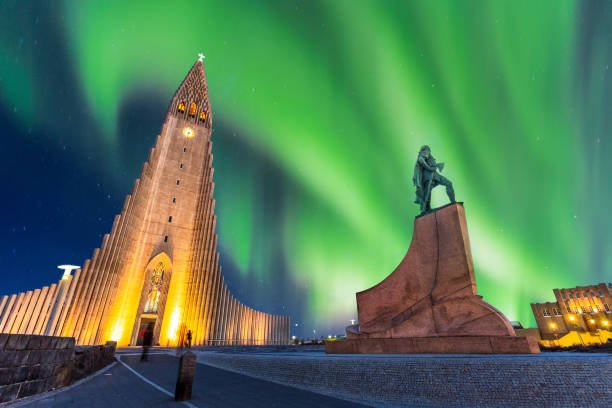
Start your morning with a walk through the city center, where vibrant streets are lined with cafés, boutiques, and street art. One of the most iconic landmarks is Hallgrímskirkja, a striking church that towers over the city. Take the elevator to the top for panoramic views of Reykjavík’s rooftops and the surrounding coastline—it’s the perfect introduction to Iceland’s unique landscape.
After soaking in the city vibes, grab a quick breakfast—perhaps a coffee and pastry or a bowl of traditional skyr—before setting off on your Golden Circle adventure. Renting a car gives you the flexibility to explore at your own pace, and within just an hour’s drive, the scenery begins to transform dramatically.
Your first stop is Thingvellir National Park, a UNESCO World Heritage Site where history and geology meet. Here, you can walk between the North American and Eurasian tectonic plates, a rare experience that makes you feel like you’re standing between two worlds. The park is also rich in Icelandic history, as it was the site of the country’s first parliament.
Continuing along the route, you’ll arrive at the geothermal area of Geysir. While the original Great Geysir is mostly dormant, the nearby Strokkur geyser erupts every few minutes, shooting boiling water high into the air. Watching this natural phenomenon up close is both thrilling and surreal, reminding you of the powerful forces beneath Iceland’s surface.
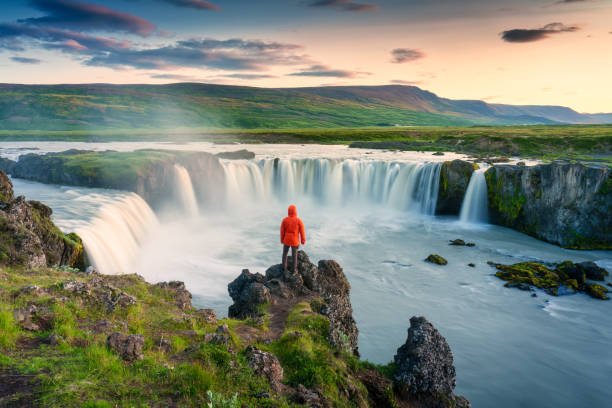
The final major stop on the Golden Circle is the magnificent Gullfoss. This massive, two-tiered waterfall crashes into a rugged canyon, creating a dramatic and unforgettable sight. On sunny days, you might even catch a rainbow forming in the mist—a perfect photo opportunity and a magical moment to pause and take it all in.
Throughout the drive, you’ll notice how quickly Iceland’s landscapes change—from green fields to rocky terrain to steaming geothermal areas. It’s this constant shift in scenery that makes the Golden Circle such a rewarding experience.
As the day winds down, you can head back to Reykjavík or extend your adventure by stopping at a local geothermal spa. Soaking in warm, mineral-rich waters after a day of exploration is the perfect way to relax and reflect on everything you’ve seen.
This combination of city charm and natural wonders makes Reykjavík and the Golden Circle an ideal introduction to Iceland. In just one day, you’ll experience history, geology, and breathtaking landscapes—all of which set the tone for the rest of your journey through this extraordinary country.
Northern Lights & Winter in Iceland: A Complete Experience
Winter in Iceland is nothing short of magical. Snow-covered landscapes, frozen waterfalls, and long dark nights create the perfect setting for one of nature’s most breathtaking phenomena—the Northern Lights, also known as the Aurora Borealis. For many travelers, witnessing this natural light show is the highlight of their Iceland journey.
Best Months for Aurora
The best time to see the Northern Lights in Iceland is from late September to March, when nights are longest and darkest. December and January offer the most hours of darkness, increasing your chances of spotting the lights. However, clear skies are essential, so always check weather forecasts and aurora activity levels before heading out.
For optimal viewing, it’s important to escape city light pollution. While Reykjavík offers occasional sightings, your chances improve significantly in remote areas surrounded by open landscapes.
Glaciers & Ice Lagoons: Iceland’s Most Breathtaking Experience
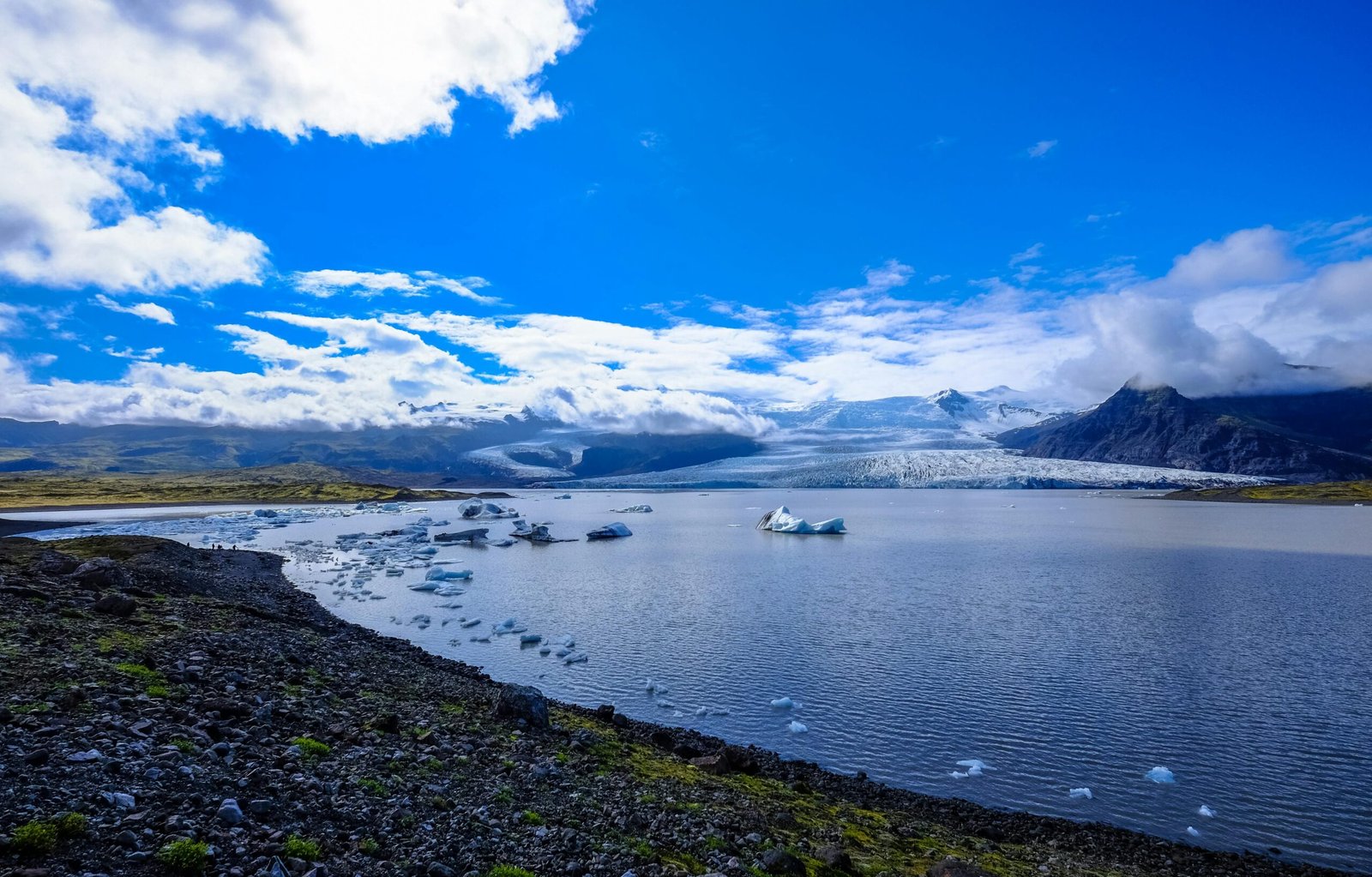
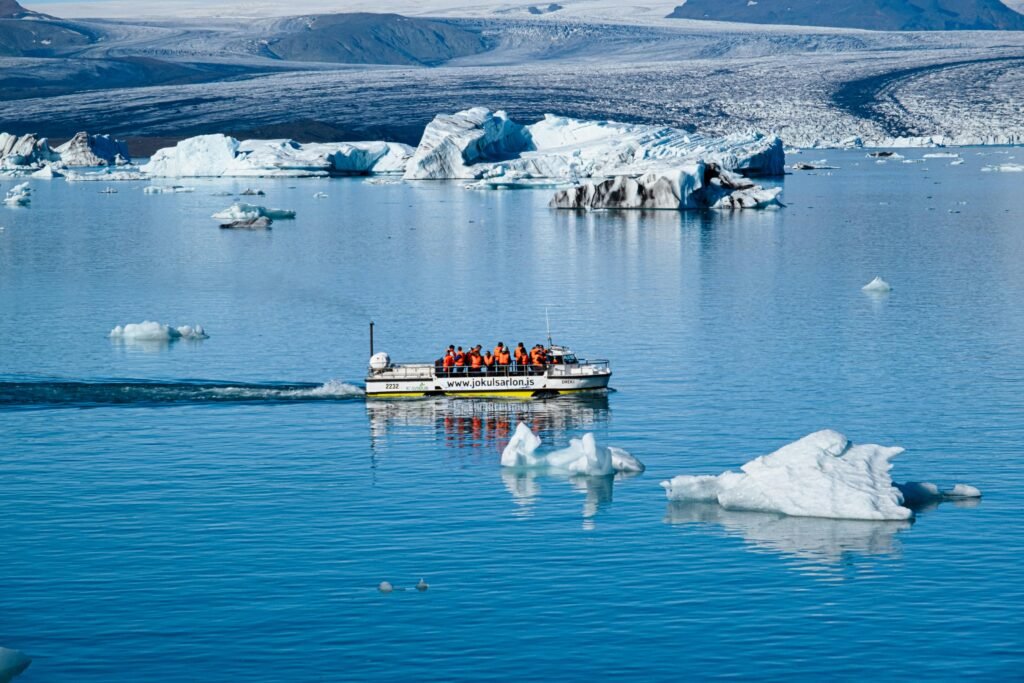
One of the most unforgettable parts of any journey through Iceland is exploring its glaciers and ice lagoons. This region feels like stepping into another world—where massive лед-blue ice formations drift silently across still waters, and nature reveals its most raw and powerful beauty.
The highlight of this experience is the stunning Jökulsárlón, a vast lagoon filled with floating icebergs that have broken away from a nearby glacier. Watching these chunks of ice slowly move toward the ocean is both peaceful and mesmerizing. Each iceberg is unique, shimmering in shades of white and blue, creating a constantly changing landscape.
Just across the road lies Diamond Beach, where pieces of ice wash ashore on black volcanic sand, sparkling like scattered gems. The contrast between the dark beach and crystal-clear ice makes it a photographer’s dream.
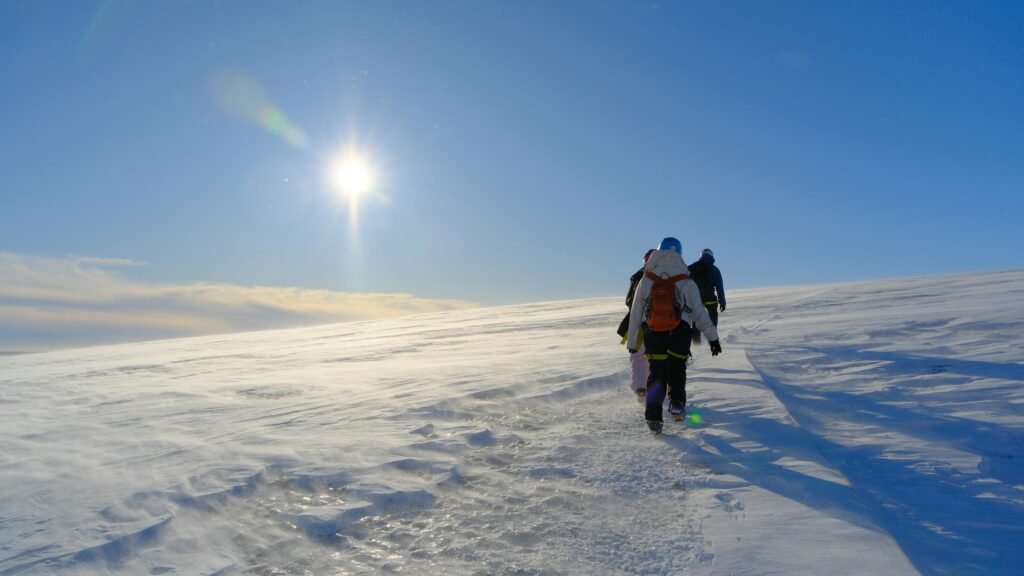
For a deeper adventure, visitors can take guided glacier hikes or explore ice caves during winter months. These experiences allow you to get up close to Iceland’s frozen wonders safely.
This part of Iceland truly captures the essence of its nickname—the Land of Fire and Ice—and leaves a lasting impression on every traveler.
How to Get to Iceland
Most visitors arrive at Keflavík International Airport, located about 45 minutes from Reykjavík.
From there:
- Rent a car directly at the airport
- Or take a shuttle into Reykjavík
Flights from Europe are short (2–4 hours), making Iceland a perfect getaway.
Getting Around
The best way to explore Iceland is by car, especially if you plan to travel the famous Ring Road.
Driving Tips:
- Roads are well maintained but weather can change quickly
- Sheep often wander onto roads — drive carefully
- Always check conditions on SafeTravel.is